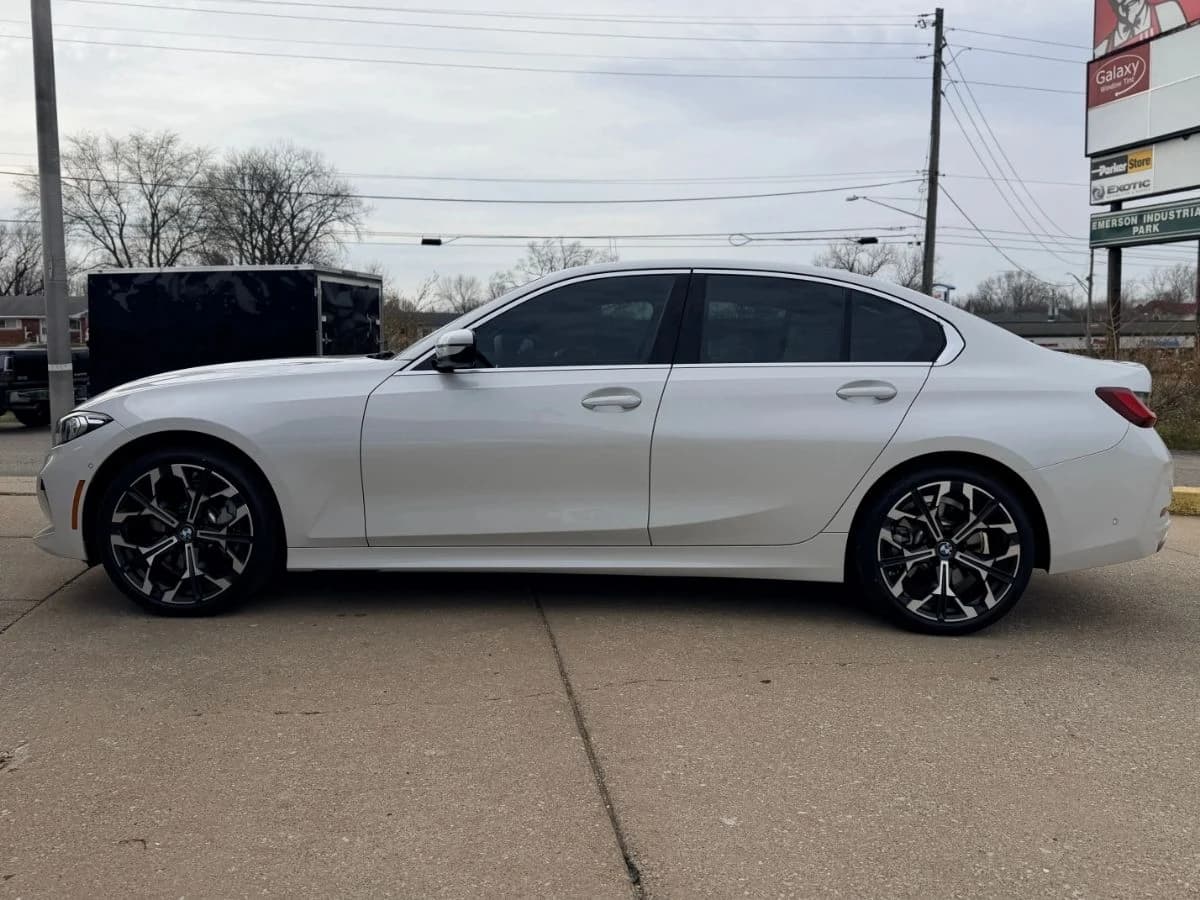
Residential vs. Automotive Window Tint
People assume window tint is window tint. Glass is glass. Film is film. But automotive and residential window films are completely different products with different goals, different chemistry, and different installation methods. Here's the breakdown.
Different Films for Different Glass
Automotive film is designed for curved glass. It needs to be heat-shrunk to fit compound curves on car windows. It comes in narrower rolls and handles extreme heat cycling — 150-degree interiors in summer, below freezing in winter.
Residential film is designed for flat glass. It comes in wider rolls to cover large windows in single pieces. It's engineered for decades of UV stability and energy performance. The adhesive, thickness, and warranty terms are all different.
Different Goals
When you tint your car, you're usually thinking about how it looks, how much heat it blocks, and privacy. Appearance is a major driver.
When you tint your home, the priorities shift. Energy bills are the biggest driver. UV protection matters because your furniture, flooring, and artwork cost thousands to replace. Privacy matters for specific rooms. But nobody tints their home to make it look cool from the outside.
Heat Rejection: Auto vs. Residential
Both auto and residential films come in standard, carbon, and ceramic tiers. The heat rejection percentages are similar — standard blocks about 30%, carbon blocks 55%, ceramic blocks up to 95%. But the real-world impact plays out differently.
In a car, you feel it within minutes. The cabin cools faster. In a home, it shows up on your energy bill. The DOE says 25-30% of heating and cooling energy goes through windows. Residential film saves 10-15% on cooling — about $35 to $50 per month in an Indianapolis summer.
Installation Is Completely Different
Automotive installation means cutting precise patterns, heat-shrinking film to curved glass, and working in tight vehicle interiors. Most cars take 45 to 90 minutes.
Residential installation means applying large sheets to flat windows. The glass is simpler but bigger. The challenges are different — reaching second-story windows, working around hardware, and handling large film pieces without wrinkles. A whole-home job takes a few hours to a full day.
Privacy Film: A Residential-Only Product
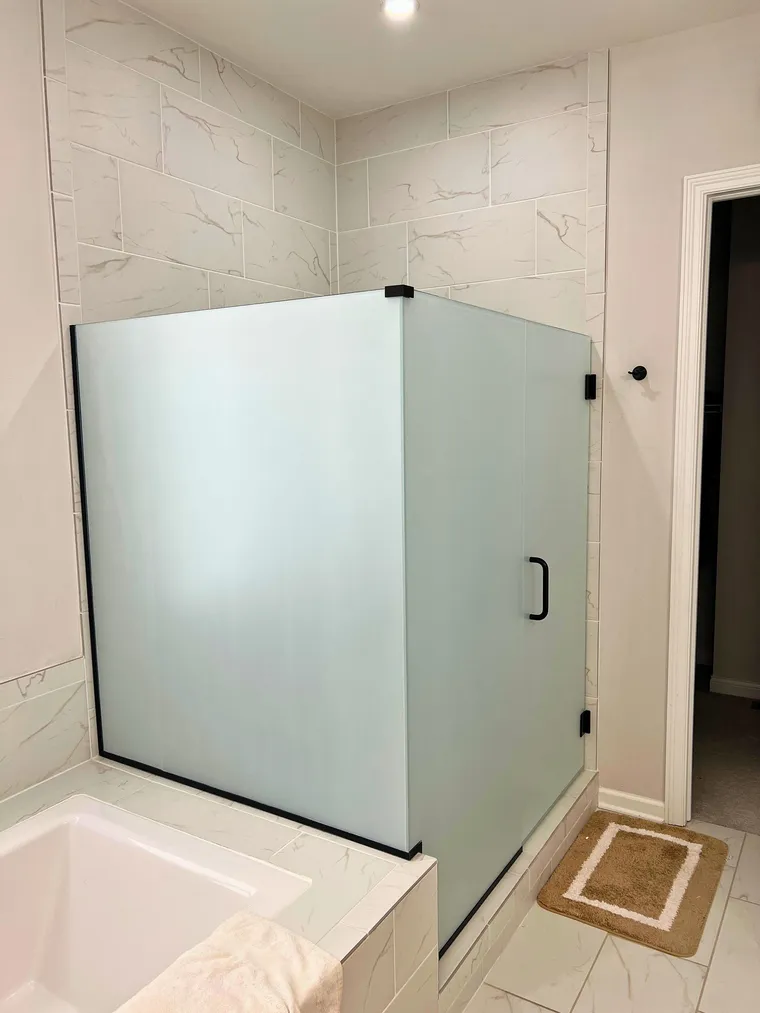
Frosted and decorative privacy films are almost exclusively residential and commercial products. They block the view while letting light through. They're popular for bathroom windows, shower glass, sidelights next to front doors, and home office windows.
Can You Use Car Tint on Home Windows?
Technically you could put automotive film on flat glass. But you shouldn't. Automotive film isn't rated for the long-term energy performance residential film provides. The warranty terms don't cover residential use. The solar heat gain coefficient — which determines energy savings — is different. You'd be paying for the wrong product.
Can the Same Shop Do Both?
Yes — if they're trained in both. We do automotive, residential, and commercial tinting. The key is using the right film for the right application. Residential-grade film on homes. Automotive-grade film on vehicles. Different products, different techniques, same quality standard.
Quick Reference: Which Film Do You Need?
- Car, truck, or SUV — automotive tint (standard, carbon, or ceramic)
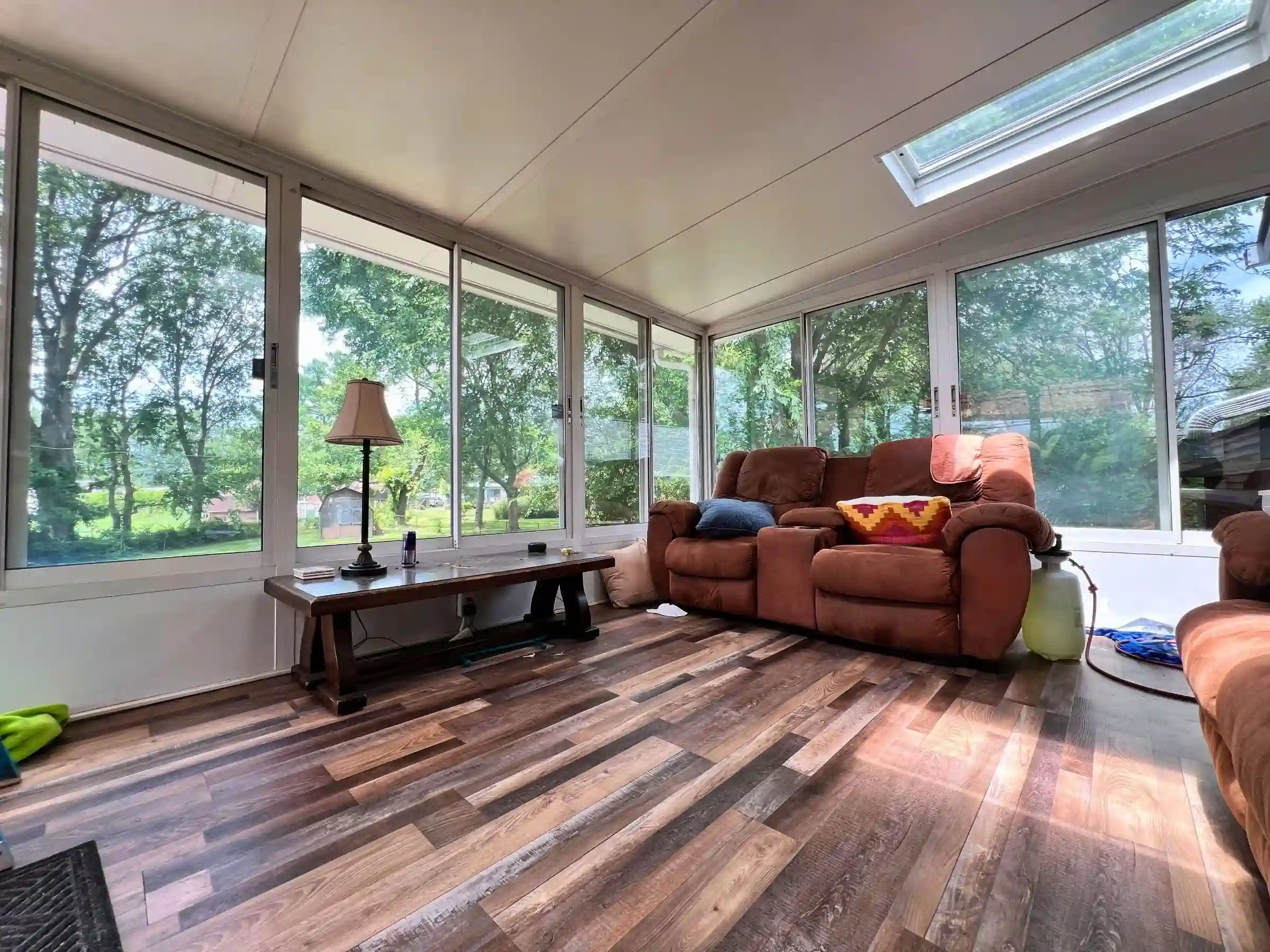
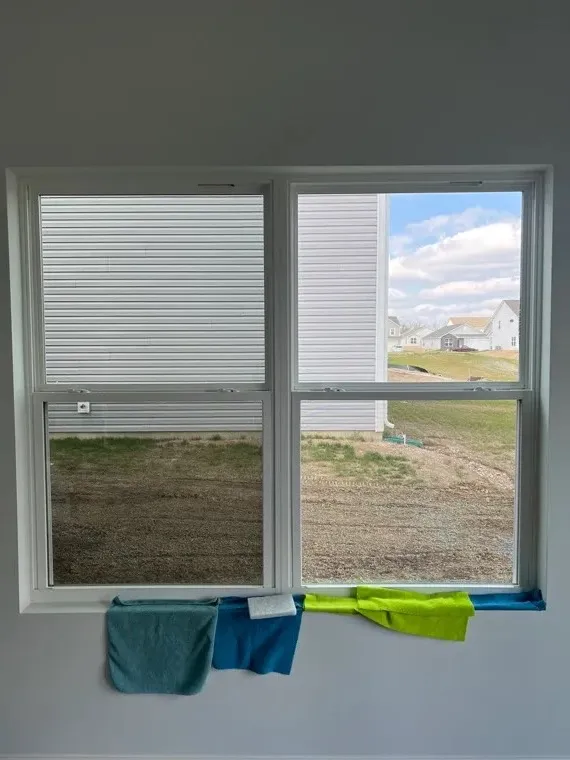
- Home windows, sunrooms, sliding glass doors — residential solar film
- Bathroom or shower glass — residential frosted privacy film
- Office, storefront, or commercial building — commercial solar or privacy film
Learn more about our home film options on our residential window tinting page
Not Sure Which Film You Need?
Call us at (317) 240-8813. Tell us what you're working with — car, home, or business — and we'll recommend the right product. Free consultations for any project.
Get Free QuoteTint Galaxy
Indianapolis Window Tinting Since 2009
Ready to Book Your Tint Job?
Takes less than 60 seconds to request a quote. We'll reach out same day — no pressure, no obligation.