Residential Tinting Cost Indianapolis
Your energy bills are climbing. Your living room feels like a greenhouse every afternoon. Your hardwood floors are fading near the windows. You've been thinking about home window tinting — but every website gives you a different number. Here's what Indianapolis homeowners actually pay, based on the residential jobs we do every week.
What Does Whole-Home Window Tinting Cost in Indianapolis?
Most whole-home tinting jobs in Indianapolis run $500 to $1,200. That range depends on three things: how many windows you're doing, how big they are, and which film you pick. A ranch home with 10 standard double-hung windows lands on the lower end. A two-story home with large picture windows, sliding glass doors, or a sunroom runs higher.
We price residential work by the window — not by the square foot. That makes it easier to compare. When you call, tell us how many windows you want done and the approximate sizes. We'll give you a firm number before we start anything.
Cost by Film Type
The film type is the biggest factor in your total cost. Here's what each tier does:
- Standard solar film — blocks about 30% of heat. Good entry point for glare and UV protection. Lowest cost per window.
- Carbon solar film — blocks about 55% of heat. Better performance, won't fade or turn purple. Mid-range pricing.
- Ceramic solar film — blocks up to 95% of infrared heat. Best clarity, best UV protection, longest lifespan (15+ years). Highest cost per window but the best long-term value.
All three tiers block 99% of UV rays. The difference is heat rejection and how long the film lasts. Standard film holds up for 5-7 years. Ceramic film lasts 15+ years. For most homeowners dealing with high energy bills and fading furniture, ceramic pays for itself.
Which Windows Should You Do First?
You don't have to do the whole house at once. Start with the windows causing the biggest problems:
- South-facing windows — they take the most direct sun year-round and generate the most heat gain
- West-facing windows — afternoon sun hits these at the hottest part of the day. These are the ones making your living room unbearable at 4 PM.
- Large picture windows and sliding glass doors — more glass means more heat. A single sliding door lets in as much heat as three to four standard windows.
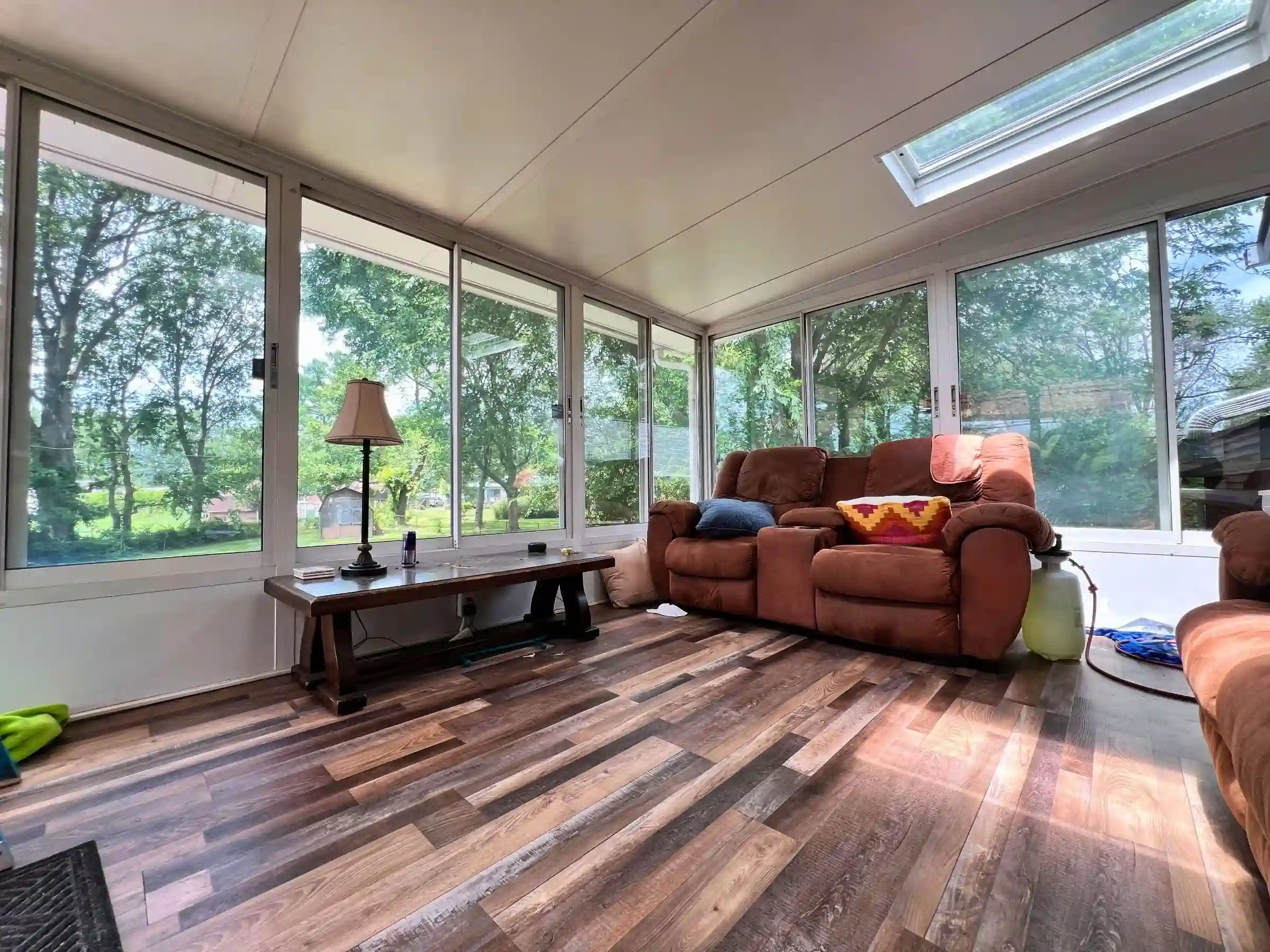
- Sunrooms — these are greenhouses without film. If your sunroom is unusable from May through September, tinting is the fix.
South and west-facing windows account for 70-80% of your home's solar heat gain. Tinting just those windows delivers most of the energy savings without doing the whole house.
The ROI Math for Indianapolis Homeowners
The Department of Energy says 25-30% of your heating and cooling energy goes through your windows. Window film cuts 10-15% off your cooling bill. In Indianapolis, that's $35 to $50 per month in savings from June through September.
Over the life of ceramic film (15+ years), that's $2,100 to $3,000 in energy savings alone. On a $500 to $1,200 investment, most homeowners hit their break-even point in 2-4 years. Everything after that is pure savings. And that doesn't include the furniture, flooring, and artwork you're not replacing because UV damage stopped the day the film went on.
Per-Window Pricing vs. Whole-Home Pricing
Some homeowners only need a few windows done — the ones in the bedroom that get blasted by afternoon sun, or the bathroom that faces the neighbor's yard. Others want the whole house. Both are common.
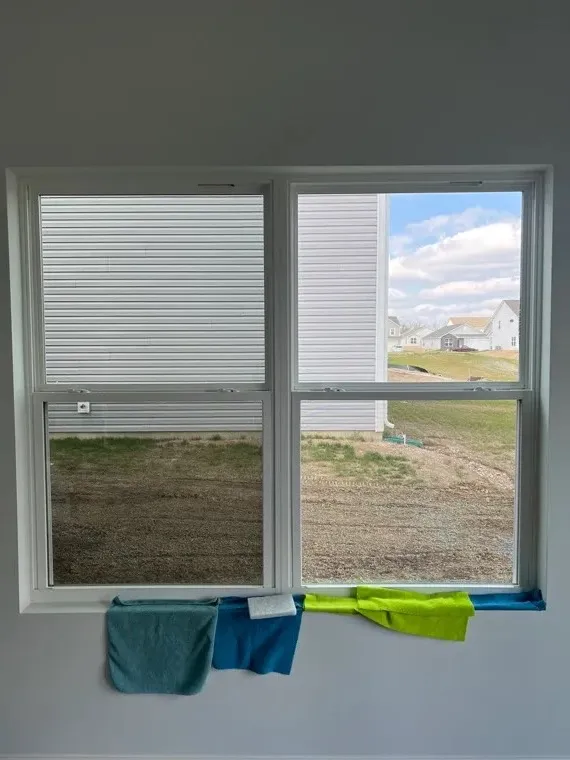
Per-window pricing varies by size and film type. Standard double-hung windows cost less than a 6-foot sliding glass door. When you call, we'll walk through your specific windows and give you exact numbers. No ranges, no surprises.
What Affects the Price Beyond Film Type
- Window size — a standard double-hung is smaller and faster than a floor-to-ceiling picture window
- Number of windows — more windows means more material and labor, but the per-window cost often drops on larger jobs
- Window access — ground-floor windows are straightforward. Second-story windows or skylights may take extra time.
- Existing conditions — windows with old film that needs removal first add labor to the job
Privacy Film Pricing
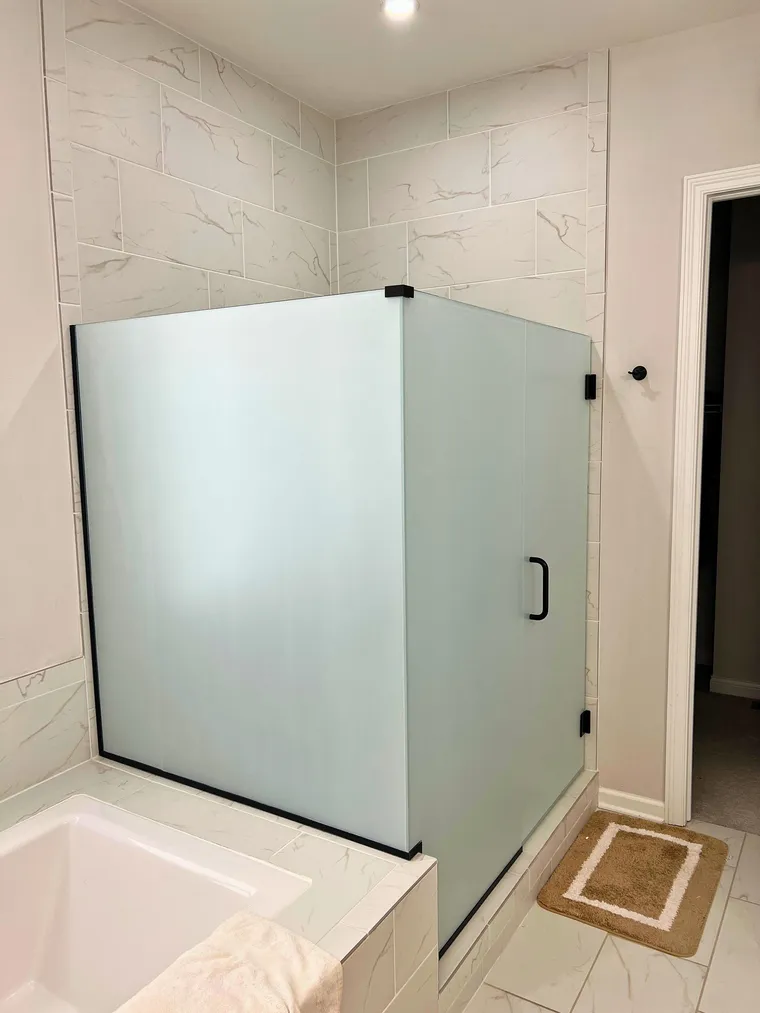
Privacy film for bathrooms, bedrooms, and street-facing windows is priced in the same range as solar film. Frosted film for a single bathroom window runs $150 to $350 installed. One-way privacy film for a living room picture window depends on the size. We'll give you exact numbers when you describe the windows.
Why Not Just Replace the Windows?
New energy-efficient windows cost $500 to $1,000 per window installed. For a 15-window home, that's $7,500 to $15,000. Window film delivers 80-90% of the heat rejection benefit at a fraction of the cost. Film goes on your existing glass in a single day. If your windows are structurally sound, film is the smarter investment.
How to Get Your Exact Price
Call us at (317) 240-8813. Tell us how many windows, which rooms, and what problems you're trying to solve — energy bills, glare, UV damage, privacy, or all of the above. We'll give you a firm quote. For larger jobs, we'll come measure your windows at no charge. No obligation, no pressure. Just a straight answer on what it costs.
See all our residential film options on our residential window tinting page
Get Your Exact Home Tinting Price
Call us at (317) 240-8813. Tell us your windows and we'll give you a firm number — no ranges, no hidden fees. Free in-home estimates for larger projects.
Get Free QuoteTint Galaxy
Indianapolis Window Tinting Since 2009
Ready to Book Your Tint Job?
Takes less than 60 seconds to request a quote. We'll reach out same day — no pressure, no obligation.