Home Privacy Tint Without Blocking Light
Your living room faces the street. The neighbors can see in. The bedroom window looks right into the house next door. You want privacy — but you don't want your house to feel like a cave. This is the most common concern we hear from Indianapolis homeowners. Here's how privacy window film actually works and which option fits your situation.
Three Types of Privacy Film (And How Each One Works)
Not all privacy film works the same way. The right choice depends on which windows you're treating and whether you need privacy during the day, at night, or both.
One-Way Reflective Film (Daytime Privacy)
This is the most popular option for living rooms, dining rooms, and street-facing windows. During the day when it's brighter outside than inside, the film acts like a mirror on the outside. People walking by see their reflection. You see out clearly.
The important detail: this effect reverses at night. When your interior lights are on and it's dark outside, people can see in. If you need 24-hour privacy, one-way film alone won't do it. Most homeowners pair it with curtains or blinds for nighttime.
Frosted Film (24/7 Privacy)
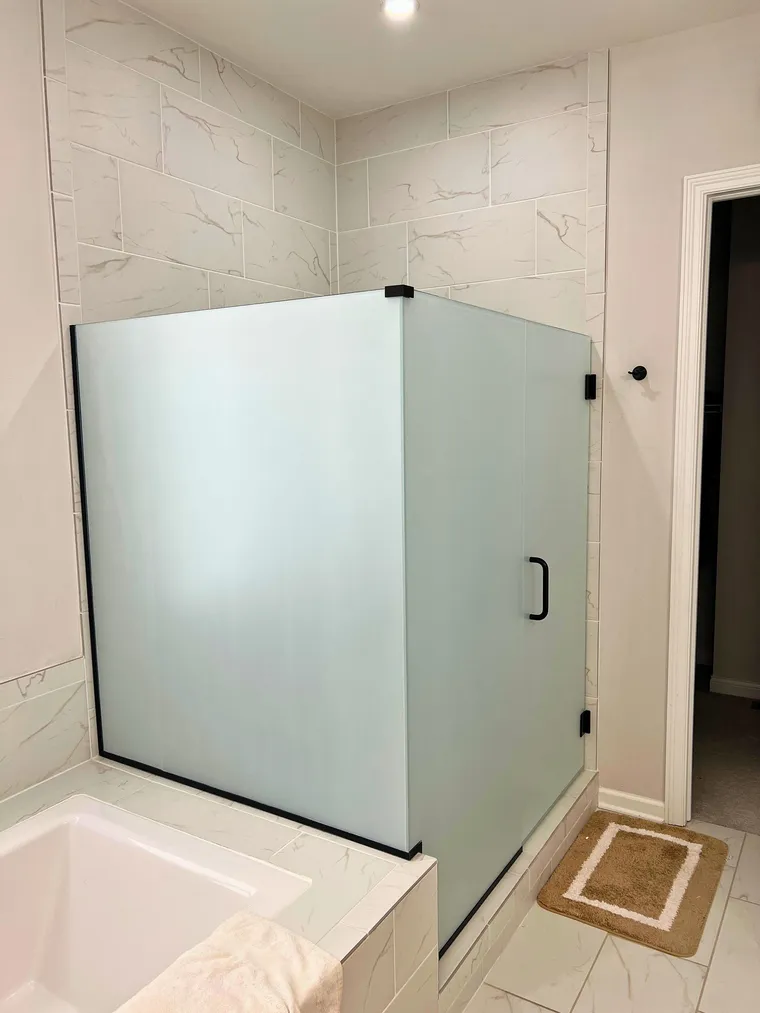
Frosted film diffuses light instead of reflecting it. You can't see through it from either side — day or night. But natural light still passes through. The room stays bright without anyone seeing in.
This is the go-to for bathrooms, shower glass, sidelights next to front doors, and any window where you need permanent privacy. It works in every lighting condition. No blinds needed. No maintenance.
Dual Reflective Film (Best of Both)
Dual reflective film has a lighter reflective coating on the inside and a stronger one on the outside. This reduces the nighttime reversal effect. You still get daytime privacy, but the view from inside stays clearer than traditional one-way film. It's the premium option for homeowners who want the best balance of privacy, light, and appearance.
VLT Levels: The Light vs. Privacy Tradeoff
VLT stands for Visible Light Transmission. It's the percentage of light that passes through. Higher VLT means more light and less privacy. Lower VLT means more privacy and less light. Here's what each level feels like:
- 70% VLT — barely noticeable tint. Minimal privacy. Mostly for UV and glare reduction.
- 50% VLT — subtle light reduction. Good daytime privacy. Most popular for living rooms and dining rooms.
- 35% VLT — moderate light reduction. Strong daytime privacy. Popular for street-facing bedrooms.
- 20% VLT — noticeable reduction in light. Maximum daytime privacy. Best for rooms with lots of windows that still get plenty of light.
Most homeowners choose 35-50% VLT for street-facing windows. At 50%, you probably won't notice the light difference after a day. At 35%, you'll notice slightly less light — but the glare reduction and privacy gain are significant. We bring samples so you can see exactly what each level looks like on your glass before you decide.
Will My House Feel Dark?
This is the question everyone asks. The honest answer: not with the right film and VLT level. At 50% VLT, most homeowners forget the film is there within a week. The room feels the same — just without the harsh glare and hot spots.
Here's what actually happens after installation. Rooms that had blinding afternoon sun become usable again. You stop closing the blinds every day at 3 PM. The overall effect is more light in practice because you're not blocking windows with curtains anymore.
Which Windows Should You Tint for Privacy?
- Street-facing living room and dining room windows — one-way reflective film at 35-50% VLT
- Bedroom windows facing neighbors — one-way or dual reflective at 35% VLT
- Bathroom windows — frosted film for 24/7 privacy
- Sidelights next to front doors — frosted film so visitors can't see into your entryway
- Sliding glass doors facing a neighbor's yard — one-way reflective at 50% VLT
- Home office windows — dual reflective for privacy during video calls
Privacy Film vs. Blinds and Curtains
Blinds and curtains give you privacy — but they block your view and your light. You end up choosing between privacy and a bright home. Window film gives you both. You keep your view, keep your natural light, and keep people from seeing in. The film is permanent, requires zero maintenance, and lasts 10-15 years.
For bathrooms, film is even more practical. Blinds collect mold in humid environments. Curtains get damp and look out of place. Frosted film handles moisture without any problems and never needs replacing.
What Does Privacy Film Cost?
Privacy film for a single window runs $150 to $350 depending on the window size and film type. A full living room with three to four windows is typically $400 to $800. Frosted film for a bathroom runs $150 to $350 per window. These are one-time costs for a permanent solution.
See It Before You Decide
Call us at (317) 240-8813 and we'll bring film samples to your home. You can hold them up to your actual windows and see exactly what each VLT level and film type looks like — in your light, on your glass. No guessing. We'll recommend the best option for each window and give you exact pricing on the spot.
Explore our home film options on our residential window tinting page
Get a Free Privacy Film Consultation
Call us at (317) 240-8813 for a free in-home consultation. We'll bring samples, measure your windows, and give you exact pricing. No obligation.
Get Free QuoteTint Galaxy
Indianapolis Window Tinting Since 2009
Ready to Book Your Tint Job?
Takes less than 60 seconds to request a quote. We'll reach out same day — no pressure, no obligation.